

10 vs 15 vs 20 vs 25 vs 30-Yard Dumpster: Which Size Do You Need?

How to Rent a Dumpster in Franklin, IN: A Step-by-Step Guide
July 3, 2026
Dumpster Rental vs. Junk Removal: Which Option Is Right for Your Project in Franklin, IN?
September 14, 2026
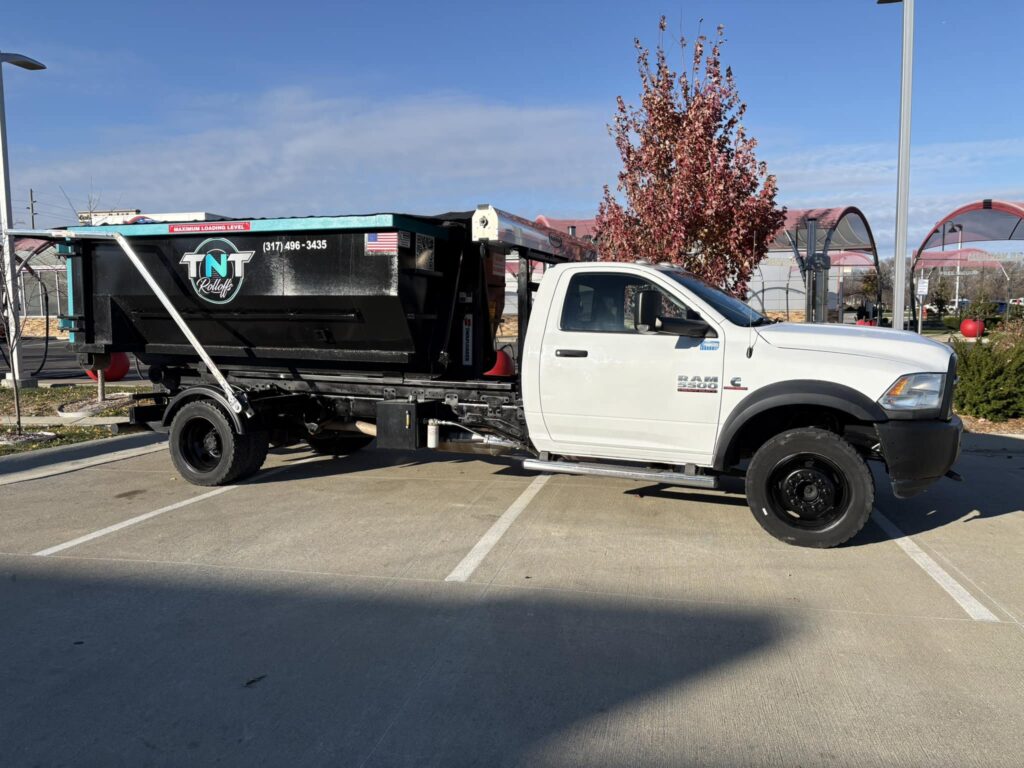
Choosing the right dumpster size in Franklin, IN depends on project scope: 10-yard dumpsters suit small cleanouts and minor remodels, 15-yard units work for garage cleanouts and kitchen renovations, 20-yard dumpsters handle most home renovations and roofing jobs, 25-yard containers fit large remodels and estate cleanouts, and 30-yard dumpsters are built for new construction and major demolition. When project scope is unclear, sizing up by one tier avoids overage fees and second pickups.
Choosing the correct dumpster size shapes the entire outcome of a project in Franklin, IN, from the budget on the invoice to how smoothly the cleanup goes from start to finish. A container that is too small often means a second haul trip, a delayed timeline, and an unexpected overage fee, while a container that is too large means paying for space that never gets filled and a bigger footprint sitting on the property longer than needed. This dumpster size guide Franklin IN homeowners and contractors rely on breaks down the five most common roll-off sizes, from 10-yard to 30-yard, so the right fit gets chosen the first time rather than after a costly guess. Whether the project is a single-room cleanout, a full kitchen remodel, a roofing tear-off, or a new construction build, matching the container to the actual scope of work keeps costs predictable, keeps the driveway or job site organized, and keeps the timeline on track from delivery to pickup.
Why Dumpster Size Matters for Your Project in Franklin, IN
Under-sizing a dumpster is one of the most common and costly mistakes made when planning a cleanup or renovation. Once a container reaches its fill line, additional debris either has to wait for a second delivery or gets hauled separately in a truck, both of which add time, labor, and expense that a slightly larger container would have avoided. Overage fees also apply when weight limits are exceeded, which happens more often than expected with dense materials like shingles, drywall, tile, or concrete. A container that looks far from full by volume can still hit its weight cap well before the job is finished.
Over-sizing carries its own downside, even though it feels like the safer choice on the surface. Renting a 30-yard container for a small bathroom cleanout means paying for capacity that sits empty for the entire rental period, along with a larger footprint that takes up more driveway or yard space than necessary. For homeowners with limited parking or a tight lot, that extra size can create more of a hassle than it solves.
Size also affects where a dumpster rental in Franklin can be placed and how it gets delivered. Larger containers require more clearance for the delivery truck and may run into local permit requirements when placed on a street rather than private property. Placement on grass, gravel, or an unpaved surface can also affect which sizes are practical, since heavier containers require sturdier ground support. Matching the size to the scope of work from the start avoids these complications, keeps the delivery process simple, and keeps the project moving without interruption.
Timeline also plays a role in the decision. A project expected to run for several weeks, such as a full renovation or a construction build, may benefit from a larger container even if the daily debris output seems modest, simply because fewer swaps mean less disruption to the work schedule. Shorter projects with a clear end date, on the other hand, are usually better matched to a size based strictly on the total volume expected rather than daily output.
TNT Rolloffs Dumpster Size Breakdown
TNT Rolloffs offers five container sizes to match projects of every scale, from a quick single-room cleanout to a full construction build spanning multiple weeks. Each size below includes dimensions, weight limits, and the type of work it fits best, along with a general sense of how much debris each container can realistically hold. For a closer look at everything included with delivery, pickup, and rental terms, the full lineup of roll-off dumpster services can be reviewed in detail before booking.
10-Yard Dumpster (12′ x 8′ x 3.5′)
The 10-yard dumpster is the smallest option available and works well for compact jobs that do not generate a large volume of debris. Weight limit sits at 1 ton, which covers most light debris loads without issue, including household junk, small furniture, and light construction scraps.
Best for: single-room cleanouts, small landscaping jobs, minor bathroom remodels.
What fits: roughly 3 to 4 pickup truck loads of debris, making it a practical choice for homeowners tackling a single space rather than a whole-house project. A 10 yard dumpster Franklin IN rental is often the right call for garage decluttering, small demolition tasks like removing a shed or a section of fencing, or clearing out a single room before a move. Its compact footprint also makes it easy to fit in a standard driveway without blocking access to a garage or front door.
15-Yard Dumpster (14′ x 8′ x 4′)
Stepping up in size, the 15-yard dumpster still carries a 1-ton weight limit but offers noticeably more volume for slightly larger jobs that outgrow the 10-yard option.
Best for: garage cleanouts, medium landscaping projects, kitchen remodels.
This size has become a popular choice for Greenwood homeowners handling seasonal cleanouts, since it offers enough room for accumulated clutter, old furniture, and yard waste without the footprint of a larger unit. It also works well for mid-size kitchen updates that involve removing cabinets and countertops but do not extend into a full-home renovation.
20-Yard Dumpster (14′ x 8′ x 5′)
The 20-yard dumpster is the most commonly rented size for mid-size residential projects across Johnson County. Weight limit increases to 2 tons, accommodating heavier materials like shingles, drywall, and flooring debris that add up quickly during a renovation.
Best for: whole-home cleanouts, multi-room renovations, roofing jobs.
Anyone searching for a 20 yard dumpster rental Johnson County option will find this size strikes a balance between capacity and cost, which is why it remains the go-to choice for most residential renovation work in Franklin, Greenwood, and the surrounding area. It comfortably handles the debris load from a roof tear-off on an average single-family home or a multi-room remodel that spans a kitchen and one or two bathrooms.
25-Yard Dumpster (16′ x 8′ x 6′)
The 25-yard dumpster steps into larger territory, with a 3-ton weight limit built for substantial debris volume that exceeds what a 20-yard container can hold.
Best for: large-scale remodels, estate cleanouts, commercial cleanouts.
Projects that involve clearing out an entire property, such as an estate cleanout following a family transition or a multi-room commercial renovation, tend to need this level of capacity to avoid multiple pickups mid-project. The added height and length also make it a practical fit for bulkier items like furniture sets, appliances, and construction materials that take up more space than weight.
30-Yard Dumpster (16′ x 8′ x 7′)
The largest option in the lineup, the 30-yard dumpster carries a 4-ton weight limit and is built for the heaviest and highest-volume jobs available.
Best for: new construction, major demolition, commercial projects, whole-property cleanouts.
New builds and demolition projects generate debris volume that smaller containers simply cannot handle, making the 30-yard size the practical choice for contractors managing large-scale work across Franklin and the wider Johnson County area, including projects near dumpster rental in Columbus. Whole-property cleanouts, such as clearing a lot before construction begins or tearing down an existing structure, also tend to require this size to keep the project on a single-container schedule rather than swapping containers mid-job.
Dumpster Size Recommendations by Project Type
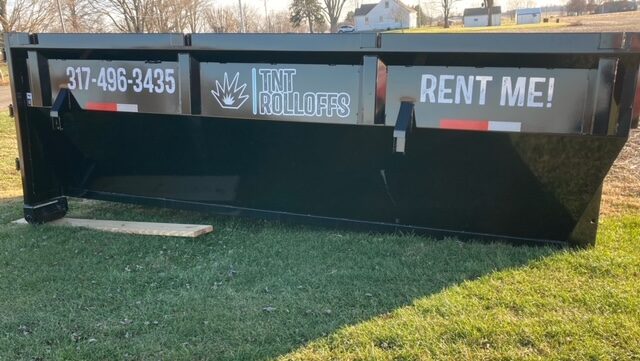
Matching a project type to a dumpster size takes some of the guesswork out of booking and helps avoid both under-sizing and over-sizing mistakes. The categories below cover the most common reasons Franklin and Johnson County residents rent a roll-off container.
Home Cleanout and Junk Removal
Single-room cleanouts and light decluttering projects typically fit a 10-yard container, while whole-home cleanouts or situations involving years of accumulated belongings call for a 20-yard or 25-yard size depending on how much furniture and household debris needs to be cleared. Homes with a garage, attic, and basement all being cleared at once tend to land on the larger end of that range.
Roofing and Shingle Removal
Roofing debris is dense and heavy, so weight limits matter more than volume for this category. A 20-yard dumpster handles most residential roofing jobs on an average single-family home, though larger homes with multiple layers of shingles or steep, complex rooflines may need to step up to a 25-yard container to stay within weight limits and avoid an overage charge partway through the tear-off.
Kitchen and Bathroom Remodels
Bathroom remodels usually generate enough debris for a 10-yard or 15-yard dumpster, covering old fixtures, tile, and vanities without much excess capacity left over. Full kitchen renovations that involve cabinets, countertops, appliances, and flooring tend to fill a 15-yard or 20-yard container instead. Homeowners planning a larger renovation may find it useful to review remodeling project guidance from the National Association of the Remodeling Industry when scoping out timelines, budgets, and material disposal needs before work begins.
New Construction and Demolition
New construction and demolition projects produce the highest debris volume of any category, which is why 25-yard and 30-yard dumpsters are standard for this type of work. Contractors managing multiple phases of a build often schedule several container swaps throughout the project rather than relying on a single container for the entire timeline, especially on larger builds that generate debris in waves as framing, drywall, and finishing work progress.
Landscaping and Yard Cleanup
Yard debris, brush, and landscaping waste are typically lightweight but bulky, so a 15-yard or 20-yard dumpster usually provides enough volume even though the weight limit rarely becomes a concern. Large tree removal projects or extensive yard overhauls involving sod, mulch removal, and fencing may still push toward the 20-yard size simply due to the sheer volume of material generated.
What Cannot Go In Any Size Dumpster
Regardless of container size, certain materials are prohibited from roll-off dumpsters due to safety and environmental regulations that apply across Indiana. Prohibited items include tires, batteries, paint, chemicals, air conditioning units, asbestos, concrete, brick, and asphalt. These materials require specialized disposal methods and, in some cases, licensed handlers due to the environmental risk they carry. Guidance on proper handling of regulated waste categories is available through the EPA hazardous waste categories page for anyone unsure whether a specific material qualifies as hazardous.
Certain items are allowed but come with an extra fee due to the specialized handling they require. These include refrigerators, dryers, TVs, and microwaves, all of which contain components like refrigerants or circuit boards that need separate processing rather than standard landfill disposal. For state-specific disposal rules and current guidelines on waste handling, the Indiana Department of Environmental Management maintains detailed resources covering both household and commercial waste requirements.
Tips for Estimating Volume Before You Book
Estimating debris volume ahead of time helps avoid both overage fees and the inconvenience of a container that fills up faster than expected midway through a project. A simple rule of thumb: one full pickup truck load of debris equals approximately 2 to 3 cubic yards. Counting the number of truck loads a project is likely to generate provides a quick, practical way to estimate which container size makes the most sense before committing to a rental.
Walking through the space being cleared or renovated and mentally sorting debris into truck-load equivalents tends to produce a more accurate estimate than guessing based on square footage alone. Heavier materials like tile, drywall, and shingles should be weighted more heavily in that estimate than lighter items like cardboard or yard waste, since weight limits can be reached before volume limits in projects involving dense debris.
When the estimate falls between two sizes, choosing the larger option is usually the safer bet. The cost difference between adjacent sizes is typically smaller than the cost of a second haul trip or an overage fee triggered by an underestimated load, making it worth sizing up whenever there is genuine uncertainty about how much debris a project will generate.
Taking a few photos of the space before work begins can also help when discussing size options with the rental provider over the phone. Describing the scope, the type of materials involved, and roughly how many rooms or areas are affected gives the provider enough detail to recommend a size with confidence rather than relying on a rough guess.
Frequently Asked Questions About Dumpster Sizes in Johnson County, IN
Can I upgrade my dumpster size after booking?
Yes, size upgrades can typically be arranged before delivery or, in some cases, with a container swap if the original size fills up faster than expected once the project is underway. Contacting the rental provider as soon as the need becomes apparent helps avoid delays and keeps the project on schedule rather than waiting until the container is already overflowing.
What happens if I fill the dumpster past the rim?
Dumpsters filled above the rim line, sometimes called an overfill, cannot be legally transported on public roads due to the risk of debris falling from the container during transport. Debris piled above the container walls will need to be removed before pickup, or an additional container may be required to handle the overflow. Planning for slightly less than a container’s stated capacity helps avoid this situation altogether.
Is there a weight limit for each dumpster size?
Yes, every dumpster size comes with a specific weight limit, ranging from 1 ton for the 10-yard and 15-yard containers up to 4 tons for the 30-yard option. Exceeding the weight limit results in an overage fee based on the excess tonnage, which is calculated at pickup once the container is weighed. Dense materials like concrete, brick, and shingles are the most common cause of unexpected overage charges, even when the container still has visible space remaining.
Choosing between a 10, 15, 20, 25, or 30-yard dumpster comes down to matching container capacity to the actual scope of work, whether that means a single-room cleanout or a full construction build spanning several weeks. Smaller containers keep costs down for compact projects, while larger sizes prevent the frustration and added expense of a second haul trip on bigger jobs. TNT Rolloffs serves Franklin and a 30-mile radius across Johnson County, including Greenwood, Bargersville, Whiteland, and surrounding communities, offering all five sizes covered in this guide along with guidance on which option fits a specific project before booking begins.
Getting started is simple. Book online at our website or call 317-496-3435 to speak with the team directly about the right size for the next project.
