

How to Rent a Dumpster in Franklin, IN: A Step-by-Step Guide

10 vs 15 vs 20 vs 25 vs 30-Yard Dumpster: Which Size Do You Need?
August 3, 2026
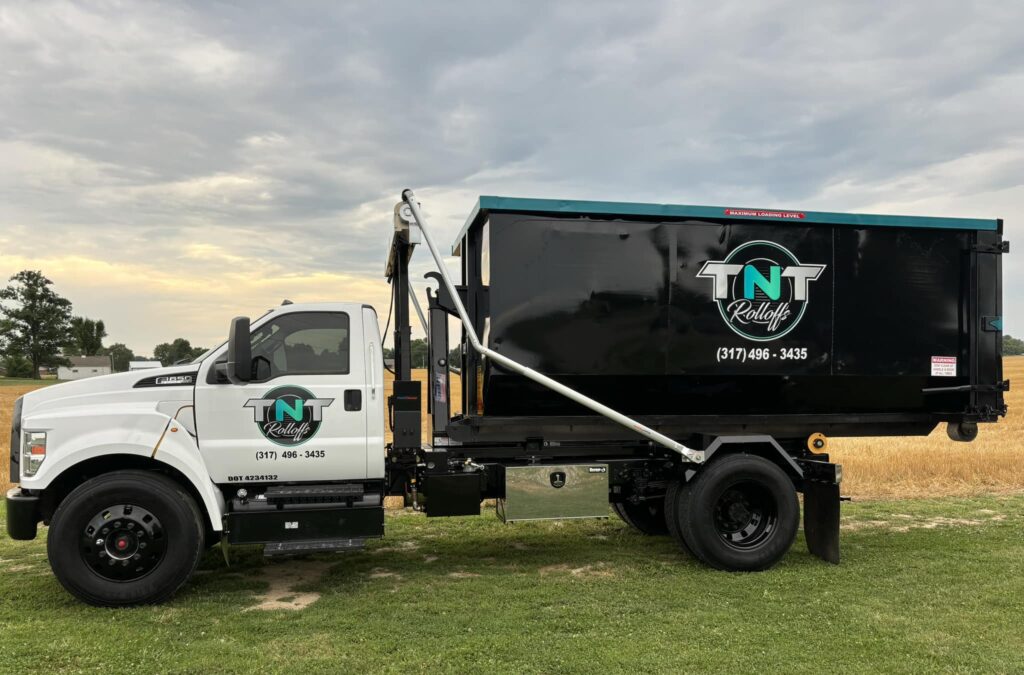
Renting a dumpster in Franklin, IN involves seven steps: assess the size of the project, choose the right dumpster size, confirm which materials are accepted, book online or by phone, prepare the delivery site, load the dumpster efficiently, and schedule pickup once the work is done. TNT Rolloffs offers 10 to 30-yard dumpsters with transparent pricing and delivery throughout Johnson County.
A home renovation, garage cleanout, or landscaping project can generate more debris than a regular trash pickup can handle. Learning how to rent a dumpster in Franklin, IN removes the guesswork from waste removal and keeps a project moving without last-minute trips to the landfill. TNT Rolloffs serves homeowners and contractors throughout Franklin and Johnson County with a straightforward rental process built around clear pricing and flexible scheduling.
Renting a dumpster does not need to be complicated, though first-time renters often have questions about sizing, permits, and what actually belongs in the container. Once the scope of a project is clear, choosing a size, booking a delivery window, and loading the container properly are simple steps that most renters complete without issue. The sections below walk through each stage of the process from start to finish, along with answers to the questions that come up most often.
Step 1: Determine the Scope of Your Project
Before booking anything, take stock of what needs to be removed and how much space it will take up. A small bedroom cleanout produces a very different volume of debris than a full kitchen renovation or a whole-yard landscaping overhaul, and starting with an accurate picture of the project prevents both undersized and oversized rentals.
Start by separating the project into categories:
- Residential cleanout debris, such as old furniture, boxes, and household items accumulated over time
- Renovation debris, including drywall, flooring, cabinetry, and fixtures removed during a remodel
- Yard waste, such as branches, leaves, and soil generated by landscaping or seasonal cleanup work
Some materials cannot go into a standard roll-off container at all. Concrete, hazardous waste, tires, and certain appliances typically require separate handling or disposal fees, and mixing them into a general debris pile can slow down the entire project. Walking through the property room by room, or section by section for outdoor work, gives a clearer sense of total volume before a size is chosen.
For projects that combine multiple categories, such as a renovation that also involves clearing out a garage, estimating each category separately and then adding the totals together produces a more accurate overall picture than guessing at a single number.
Timing also factors into scope. A project spread out over several weekends may benefit from a longer rental period rather than a rushed single-week window, while a contractor working on a compressed schedule may prefer a larger container delivered once rather than smaller loads hauled multiple times. Thinking through the pace of the work alongside the volume of debris helps set expectations before requesting a quote.
Step 2: Choose the Right Dumpster Size
Dumpster sizes are measured in cubic yards, and picking the right one keeps a project cost-effective. Ordering too small a container means paying for a second haul, while ordering too large wastes money on unused capacity that never gets filled.
10-Yard and 15-Yard Dumpsters
These smaller containers work well for single-room renovations, garage cleanouts, and general yard debris. A 10 or 15-yard dumpster typically fits in a standard driveway and suits projects that generate a moderate but manageable volume of waste, such as clearing out a single room or handling a modest landscaping job.
20-Yard and 25-Yard Dumpsters
Mid-size dumpsters are the most common choice for multi-room renovations and larger home cleanouts. This range accommodates flooring removal, larger furniture hauls, and combined interior and exterior debris, making it a practical default for many homeowners who are not entirely sure how much waste a project will generate.
30-Yard Dumpsters
Larger construction projects, commercial cleanouts, and full whole-home decluttering jobs call for a 30-yard container. This size handles high-volume debris without requiring multiple pickups during an active job, which matters most for contractors working on tight timelines.
Matching the dumpster size to the actual scope of the project, rather than guessing, is one of the most effective ways to avoid overage fees. When a project falls between two sizes, sizing up slightly is usually more cost-effective than risking a second delivery fee for an additional container.
Anyone still unsure which size fits a specific project can describe the scope during booking, whether that means listing the rooms being renovated or estimating the square footage of a yard cleanup. Comparing the estimated volume against the dimensions of each container size, rather than relying on guesswork alone, leads to a more confident decision before the truck ever arrives.
Step 3: Check What Can and Cannot Go In the Dumpster
Knowing what belongs in a roll-off container, and what does not, saves time and prevents rejected loads at disposal. Most household and renovation debris is accepted, but hazardous and regulated materials are not, and mixing them in can result in the entire load being flagged.
Accepted items:
- Household junk and general clutter
- Furniture and mattresses
- Yard waste and landscaping debris
- Renovation debris, including drywall and flooring
- Roofing shingles
Prohibited items:
- Tires and batteries
- Paint and chemicals
- Air conditioning units
- Concrete and asphalt
- Asbestos-containing materials
Extra-fee items:
- Refrigerators and other large appliances
- Washers and dryers
- Televisions and monitors
- Microwaves
Extra-fee items are not prohibited outright, but they typically involve additional handling due to weight, size, or environmental disposal requirements. Confirming these details before loading, rather than after the container is full, avoids surprise charges on the final invoice. Reviewing the Indiana recycling and waste guidelines beforehand can also clarify how certain materials should be handled outside of a standard rental, particularly for items like electronics or chemicals that require separate drop-off locations.
A common mistake among first-time renters is assuming that a material is acceptable simply because it is common in a home, such as paint cans or an old refrigerator. Sorting debris into piles before delivery, rather than after, makes it easier to spot items that need separate disposal and keeps the rental process free of last-minute scrambling once the container is on-site.
Step 4: Book Your Dumpster Online
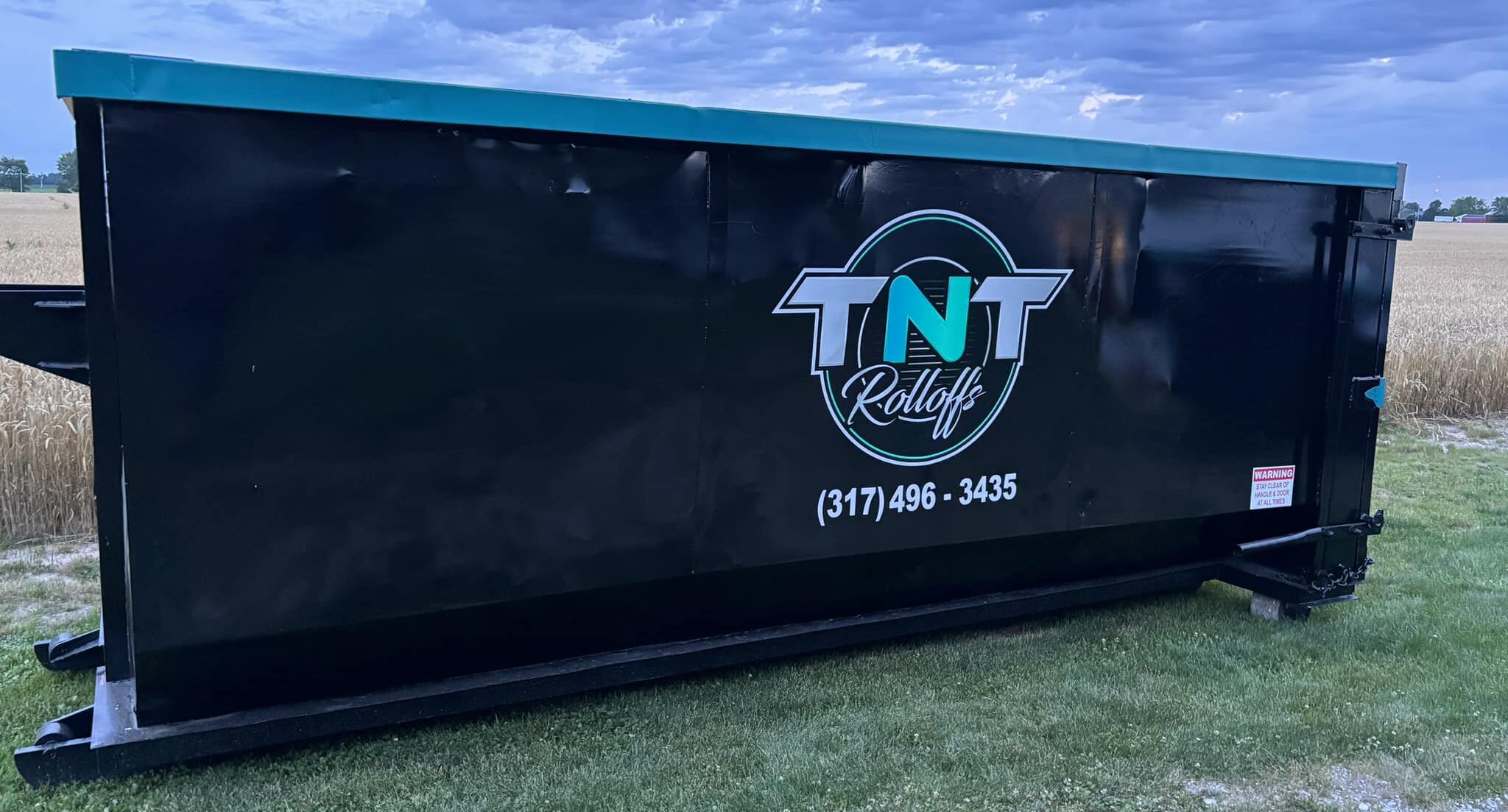
Once the size and scope are settled, booking a dumpster online is the fastest way to lock in a delivery date. The process typically takes only a few minutes and does not require a phone call unless questions come up about sizing or placement.
During booking, expect to select:
- A delivery date that fits the project timeline
- A rental period, which determines how long the container stays on-site
- Pricing details, with no hidden fees added after delivery
TNT Rolloffs structures pricing so the quote at booking matches the final invoice, barring any prohibited items placed in the container or overage beyond the agreed weight limit. This upfront approach is one of the more common concerns among first-time renters searching for how to rent a dumpster in Franklin, IN, since unexpected fees are a frequent complaint in the waste removal industry more broadly.
Booking further in advance, rather than waiting until a project is already underway, also improves the chances of securing a preferred delivery date, particularly during busy renovation seasons in spring and early summer.
Double-checking the delivery address and any special access notes, such as a gated entry or shared driveway, before submitting the booking helps the delivery crew plan the route and avoid delays on drop-off day. Most bookings also allow adjustments to the rental period after the fact if a project runs longer than expected, though confirming this flexibility ahead of time is worthwhile for larger jobs.
Step 5: Prepare Your Property for Delivery
A smooth delivery depends on preparing the drop-off location ahead of time. Trucks need clear access and enough overhead space to lower the container safely, and a few minutes of preparation before the delivery window can prevent delays.
Driveway Placement Tips
Clear the intended area of vehicles, toys, and debris before the delivery truck arrives. Check for low-hanging branches or wires that could interfere with placement, and consider laying down plywood boards to protect the driveway surface from scratches or cracking under the container’s weight. Marking the exact preferred spot, or communicating it clearly at booking, also helps the delivery driver place the container efficiently on the first attempt.
Street or Alley Placement
Placing a dumpster on a public street or alley in Franklin may require a permit, depending on the duration and location. Checking with local authorities, including the Johnson County government office, before delivery avoids fines or forced relocation of the container. Street placement also typically calls for reflective markers or cones, particularly for overnight placement, to keep the area visible and safe for passing traffic.
Homeowners without a driveway large enough for a container, or those in neighborhoods with strict placement rules, should raise the question during booking rather than after delivery. Addressing permit and placement questions early prevents a situation where the container has to be moved or removed shortly after arrival.
Step 6: Fill the Dumpster Efficiently
Loading a dumpster with a plan in mind maximizes the available space and keeps the project on budget. Random tossing wastes room and can lead to needing a second container well before the project is actually finished.
A few loading practices make a real difference:
- Load heavy items first to create a stable, flat base for lighter debris
- Break down bulky materials, such as furniture or cabinetry, before loading to reduce wasted air space
- Distribute weight evenly across the container rather than piling debris in one corner
- Avoid overfilling above the rim, since overloaded containers cannot be transported safely
- Keep prohibited items out of the load entirely to avoid additional charges
Consulting the EPA’s solid waste management overview offers useful context on responsible disposal practices for larger renovation and construction projects, particularly when a job involves materials that could otherwise be recycled or donated instead of landfilled.
Setting aside items that are still usable, such as furniture in good condition or building materials left over from a renovation, before loading the dumpster gives an opportunity to donate rather than discard. Many local organizations in Johnson County accept gently used furniture, appliances, and construction surplus, which can reduce both landfill waste and the total weight loaded into the container.
Step 7: Schedule Pickup and Wrap Up
Once the project debris is loaded and the rental period is nearing its end, contacting TNT Rolloffs to schedule pickup completes the process. Rental periods are flexible enough to accommodate projects that run slightly longer than expected, and coordinating pickup in advance keeps the timeline predictable for everyone involved.
Confirming that the container is accessible on pickup day, meaning no vehicles or equipment blocking the path, helps the process move quickly without a second visit. Homeowners exploring dumpster rental services can review available container sizes and confirm pricing before committing to a delivery date, and those working on projects near Greenwood can also review dumpster rental in Greenwood for coverage details specific to that area.
For projects that extend across multiple counties, such as work that spans both Johnson and Marion County, coordinating a single pickup date after all debris is loaded is generally more efficient than scheduling separate hauls. Communicating any changes to the project timeline as early as possible also gives the scheduling team room to adjust the pickup window without added fees.
Frequently Asked Questions About Renting a Dumpster in Franklin, IN
How much does a dumpster rental cost in Franklin, IN?
Pricing depends on the container size, rental duration, and weight of the debris. Requesting a quote based on the specific project scope provides the most accurate estimate, and TNT Rolloffs offers transparent pricing with no hidden fees added after booking.
Do I need a permit to place a dumpster on my street?
Permit requirements vary depending on whether the container sits on private property, such as a driveway, or a public street. Placement on a driveway typically does not require a permit, while street or alley placement often does, so checking with the county office ahead of delivery is recommended for anyone unsure about their specific location.
Can I rent a dumpster for just one day?
Most rental periods extend beyond a single day to accommodate the pace of typical cleanout and renovation projects. Shorter-term needs can often still be arranged, and confirming the minimum rental period during booking clarifies what fits a specific timeline.
What happens if the dumpster is overfilled?
Containers filled above the rim cannot be transported safely and typically need to be reloaded or partially emptied before pickup. Keeping debris level with the top edge of the container, rather than piling it higher, avoids delays and keeps the pickup process on schedule.
Conclusion
Renting a dumpster in Franklin, IN does not have to involve guesswork once the process is broken down into clear steps. From assessing the scope of a project to scheduling final pickup, each stage is designed to keep costs predictable and the work moving forward without unnecessary delays. Coverage extends across Johnson County, giving homeowners and contractors in Franklin, Greenwood, and surrounding communities a reliable option for waste removal on projects of any size.
Whether the project is a single-room renovation or a full property cleanout, having a clear plan for sizing, booking, and loading makes the entire process far less stressful than tackling it without guidance. Working through each step in order, rather than skipping ahead, is the most reliable way to keep a project on schedule and within budget from delivery to pickup.
Ready to get started? Book online at our website or call 317-496-3435 to speak with the team directly about the right dumpster size for the next project.
